
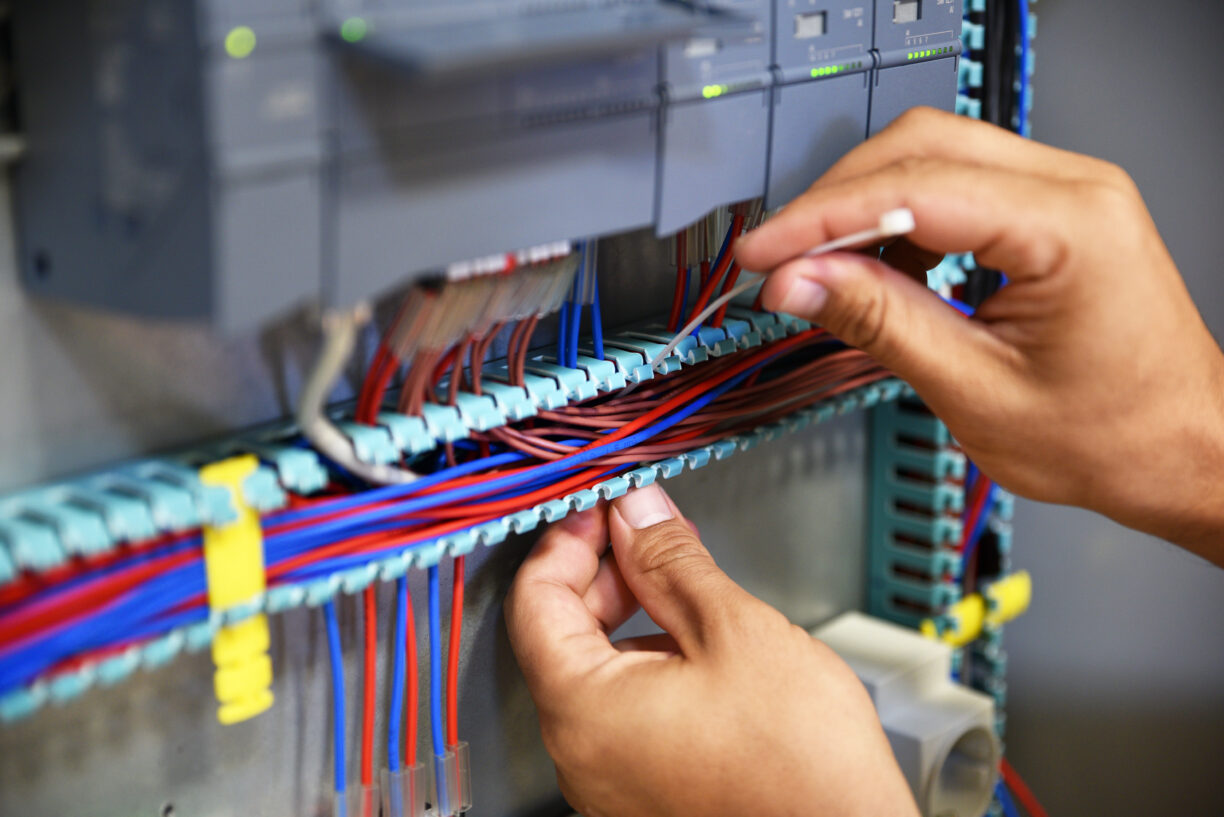
From new construction projects in Augusta to manufacturing facilities, healthcare systems, and commercial developments across Georgia, electrical professionals help keep important systems powered and operating every day.
For people who enjoy hands-on work, problem-solving, and technical skills, electrical careers may offer an opportunity to work in a growing skilled trades field while learning practical skills used across many industries.
If you are interested in electrical work, understanding how to begin training and explore entry-level opportunities can help you decide whether this path may be a good fit for your goals.
What Do Electrical Professionals Do?
Electrical workers help install, maintain, test, and troubleshoot electrical systems used in homes, businesses, industrial facilities, and construction projects.
Depending on their experience and job role, electrical professionals may:
- Assist with electrical installations
- Work with wiring and circuitry
- Read blueprints and diagrams
- Use testing equipment and electrical tools
- Follow electrical safety procedures
- Support maintenance and repair projects
- Help troubleshoot electrical systems
- Work alongside experienced electricians or technicians
Some people entering the field begin in entry-level positions such as:
- Electrical technician
- Electrical apprentice
- Electrician helper
- Electrical maintenance assistant
- Commercial electrical trainee
Over time, some individuals may continue building experience through apprenticeships, additional training, or licensing pathways depending on their career goals.
Why Skilled Trades Careers Continue to Attract Interest in Georgia
Georgia continues to see growth in construction, infrastructure, healthcare, logistics, and manufacturing industries. Communities throughout Augusta, Macon, Savannah, Columbus, and the Atlanta metro area continue adding homes, commercial buildings, warehouses, healthcare facilities, and industrial operations.
As these industries grow, employers often rely on skilled workers who understand electrical systems, safety procedures, and technical problem-solving.
Many people are also exploring skilled trades careers because they offer:
- Hands-on learning environments
- Practical technical skills
- Active work settings
- Opportunities to work in different industries
- Alternatives to traditional four-year college pathways
Electrical training can appeal to students who enjoy learning by doing and want to develop real-world technical skills.
Step 1: Earn a High School Diploma or GED
The first step toward starting an electrical career in Georgia is typically earning a high school diploma or GED.
Subjects such as math, science, construction, or shop classes may help students build foundational knowledge useful in electrical training. Skills like measurement, basic algebra, and problem-solving are often helpful in technical trades.
Step 2: Complete Electrical Training
Many students begin preparing for electrical career pathways by enrolling in an electrical training program.
Electrical training programs may introduce students to:
- Electrical safety
- Basic electrical theory
- Wiring systems
- Circuitry
- Blueprint reading
- Conduit bending
- Troubleshooting techniques
- Residential and commercial electrical concepts
- Electrical code fundamentals
- Industry tools and equipment
Hands-on learning environments may help students gain practical exposure to real-world electrical tasks and workplace expectations.
The Helms College Electrical Training Program in Augusta, Georgia is designed to help students develop foundational knowledge and practical skills related to the electrical field through classroom instruction and hands-on learning experiences.
Step 3: Explore Entry-Level Electrical Opportunities
After completing training, many individuals continue building experience in entry-level electrical positions.
These opportunities may include working as:
- Electrical technician
- Electrical apprentice
- Electrician helper
- Electrical maintenance support technician
- Commercial electrical assistant
Entry-level workers often gain additional experience by working alongside more experienced professionals in residential, commercial, or industrial environments.
Some students may eventually pursue apprenticeship opportunities or additional licensing pathways depending on their long-term goals.
Understanding Electrical Career Pathways in Georgia
Electrical career paths can vary depending on the type of work a person wants to pursue.
Some individuals focus on:
- Residential electrical work
- Commercial construction projects
- Industrial maintenance
- Facility operations
- Electrical installation support
- Equipment maintenance
Certain advanced electrical roles or contractor positions in Georgia may require additional experience, examinations, certifications, or licensing. Requirements can vary depending on the role and type of electrical work being performed.
Students interested in long-term electrical careers should review current Georgia licensing requirements and industry expectations as they continue building experience.
Skills That May Help in Electrical Careers
People interested in electrical career pathways often enjoy:
- Hands-on work
- Technical problem-solving
- Working with tools
- Understanding how systems operate
- Active work environments
- Learning practical skills
Attention to detail and safety are also important because electrical professionals frequently work around energized systems, tools, and equipment.
Residential vs. Commercial Electrical Work
One reason many people are attracted to electrical careers is the variety of work environments available.
Residential Electrical Work
Residential electrical workers may assist with:
- Home wiring
- Lighting installation
- Electrical upgrades
- Remodeling projects
- Residential troubleshooting
This work often involves customer interaction and service-related tasks.
Commercial and Industrial Electrical Work
Commercial and industrial environments may involve:
- Office buildings
- Healthcare facilities
- Schools
- Warehouses
- Manufacturing facilities
- Large construction projects
These systems are often larger and more complex than residential electrical systems.
Electrical Training in Augusta, Georgia
Augusta continues to serve as an important workforce and industrial hub in eastern Georgia. Students from Augusta, Evans, Grovetown, Martinez, North Augusta, Aiken, and nearby communities may explore electrical training opportunities close to home.
The region includes employers and industries connected to:
- Construction
- Healthcare
- Manufacturing
- Logistics
- Commercial development
- Industrial operations
As these industries continue evolving, skilled trades training may help students prepare for entry-level technical opportunities in the workforce.
Is Electrical Training Right for You?
Electrical training may be a good fit for people who:
- Prefer hands-on learning
- Enjoy technical work
- Like solving problems
- Want active work environments
- Are interested in skilled trades careers
- Enjoy working with tools and equipment
Many students also appreciate that electrical skills may be applied across a variety of industries and work settings.
Learn More About Electrical Training at Helms College
Starting an electrical career path often begins with learning foundational skills, developing hands-on experience, and exploring training opportunities that align with your goals.
To learn more about the Electrical Training Program at Helms College in Augusta, Georgia, contact the admissions team or schedule a campus visit.
Frequently Asked Questions
What is an electrical technician?
Electrical technicians may assist with installing, maintaining, testing, or troubleshooting electrical systems and equipment in residential, commercial, or industrial environments.
Can electrical training help prepare students for apprenticeships?
Electrical training may help students build foundational skills that support future apprenticeship or entry-level opportunities.
Do I need prior experience to start electrical training?
Many electrical training programs are designed for students entering the field for the first time.
Is electrical training hands-on?
Many programs include practical learning activities and lab-based instruction designed to reinforce technical concepts.
What tools do electrical students use?
Students may work with hand tools, testing equipment, conduit tools, wiring equipment, and safety gear depending on the program.
What is the difference between residential and commercial electrical work?
Residential work focuses on homes and apartments, while commercial work may involve businesses, schools, healthcare facilities, warehouses, or industrial operations.